
Mount Kilimanjaro is one of Africa’s most extraordinary natural wonders, rising 5,895 metres above sea level and offering an adventure unlike any other. From the green rainforest at its lower slopes to the vast alpine desert and the icy summit of Uhuru Peak, the mountain reveals a remarkable transformation in just a few days of trekking. Yet one of the most important things to understand before beginning your climb is its weather. Conditions on Kilimanjaro can change quickly, and the temperature, rainfall and wind you experience at the beginning of your journey may be completely different from what awaits you near the summit.
Understanding the weather helps you choose the right time to climb, prepare the correct clothing and equipment, and approach the mountain with realistic expectations. Whether you are dreaming of walking beneath the forest canopy, watching clouds drift across the African plains or standing beneath the stars on summit night, knowing what to expect from Kilimanjaro’s climate is an essential part of planning a safe and memorable adventure.

Why Is the Weather on Mount Kilimanjaro So Different?
Kilimanjaro lies close to the equator, but its extraordinary height creates several distinct climatic zones. As you climb higher, the air becomes colder, vegetation changes and the landscape gradually transforms from tropical forest into a dry, exposed alpine environment. This means that climbing Kilimanjaro is not simply a journey up a mountain; it is a journey through several different worlds, each with its own atmosphere and challenges.
At the lower elevations, you may experience warm temperatures, humidity and rainfall beneath a dense forest canopy. Higher up, the air becomes cooler and the landscape opens into moorland dotted with unusual plants and dramatic rock formations. Beyond this, the alpine desert is dry, exposed and often windy, while the summit zone brings freezing temperatures and conditions that can feel Arctic. Weather also varies by season, slope and time of day, so climbers must be prepared for more than one type of climate during their trek.
The Five Climate Zones of Mount Kilimanjaro
Each stage of the climb offers a different environment, and understanding these zones helps explain why proper preparation is essential.
1. Cultivated Bushland and Lower Slopes
The adventure begins in the warmer lower regions of the mountain, where farms, villages and cultivated landscapes surround the approaches to Kilimanjaro. Depending on the season, temperatures can feel warm and comfortable, particularly during the day. Humidity may be noticeable, and rain can make the trail wet before you even reach the forest.
Lightweight, breathable clothing is useful for the early stages, but it should be combined with suitable hiking footwear and rain protection. The climb becomes progressively colder, so clothing that feels comfortable at the trailhead will not be enough for the higher elevations.
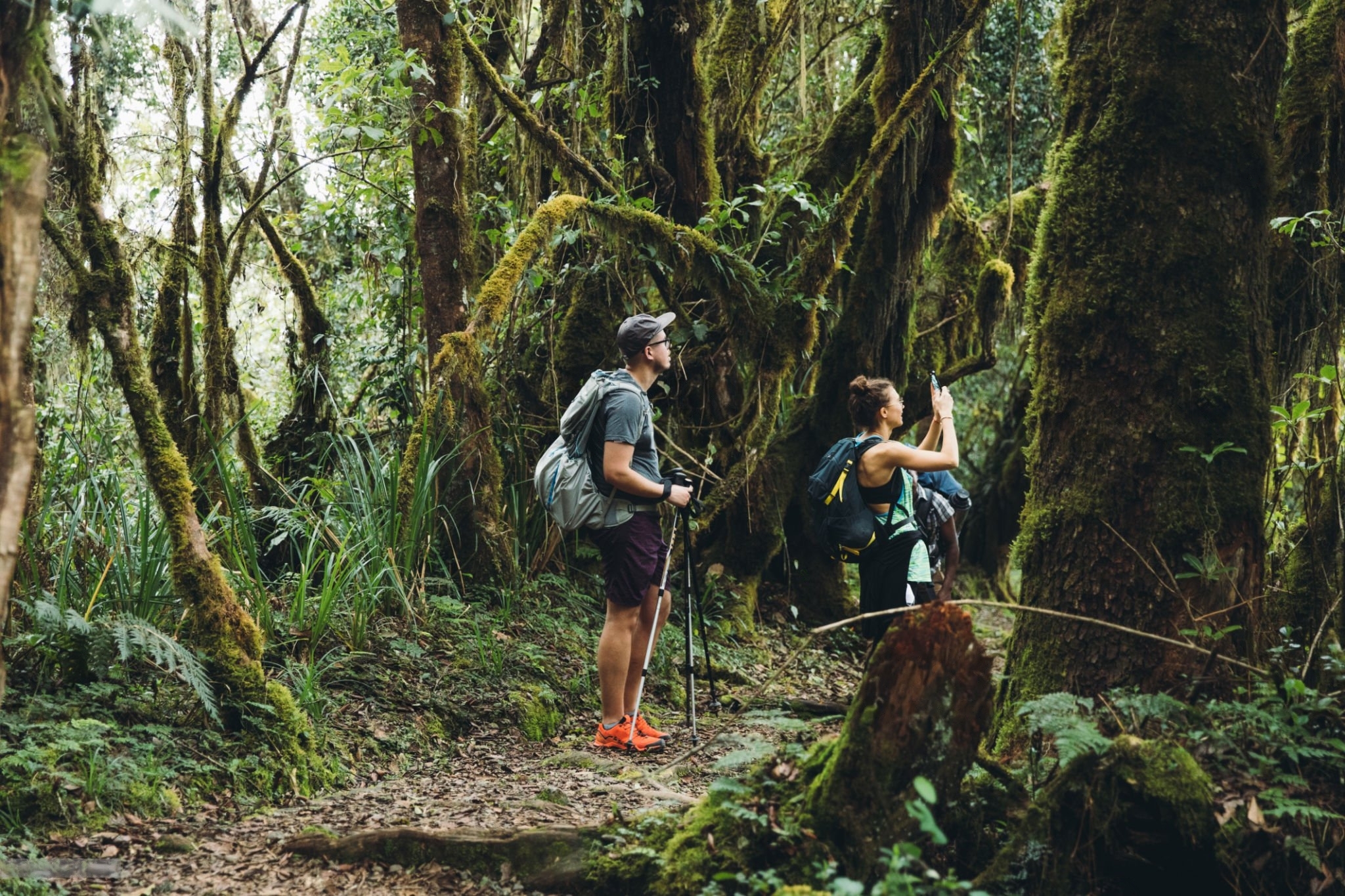
2. Montane Rainforest
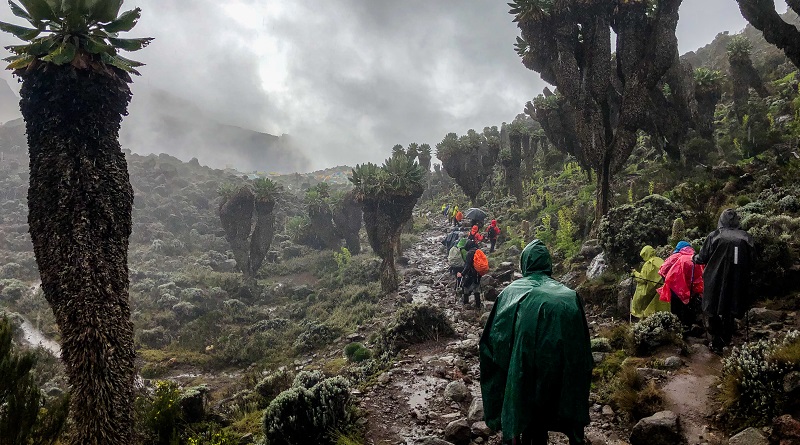
As you enter the rainforest, the atmosphere becomes cooler, greener and more humid. Tall trees, thick vegetation, moss-covered branches and birdsong create a beautiful introduction to the mountain. Mist may drift through the forest, while rain can arrive unexpectedly, especially during the wetter months.
The rainforest is often one of the wettest parts of the climb. Trails can become muddy and slippery, making waterproof hiking boots, rain trousers and a reliable waterproof jacket especially valuable. Even when the weather is pleasant at the start of the day, it is wise to keep your rain gear accessible rather than packed deep inside your bag.
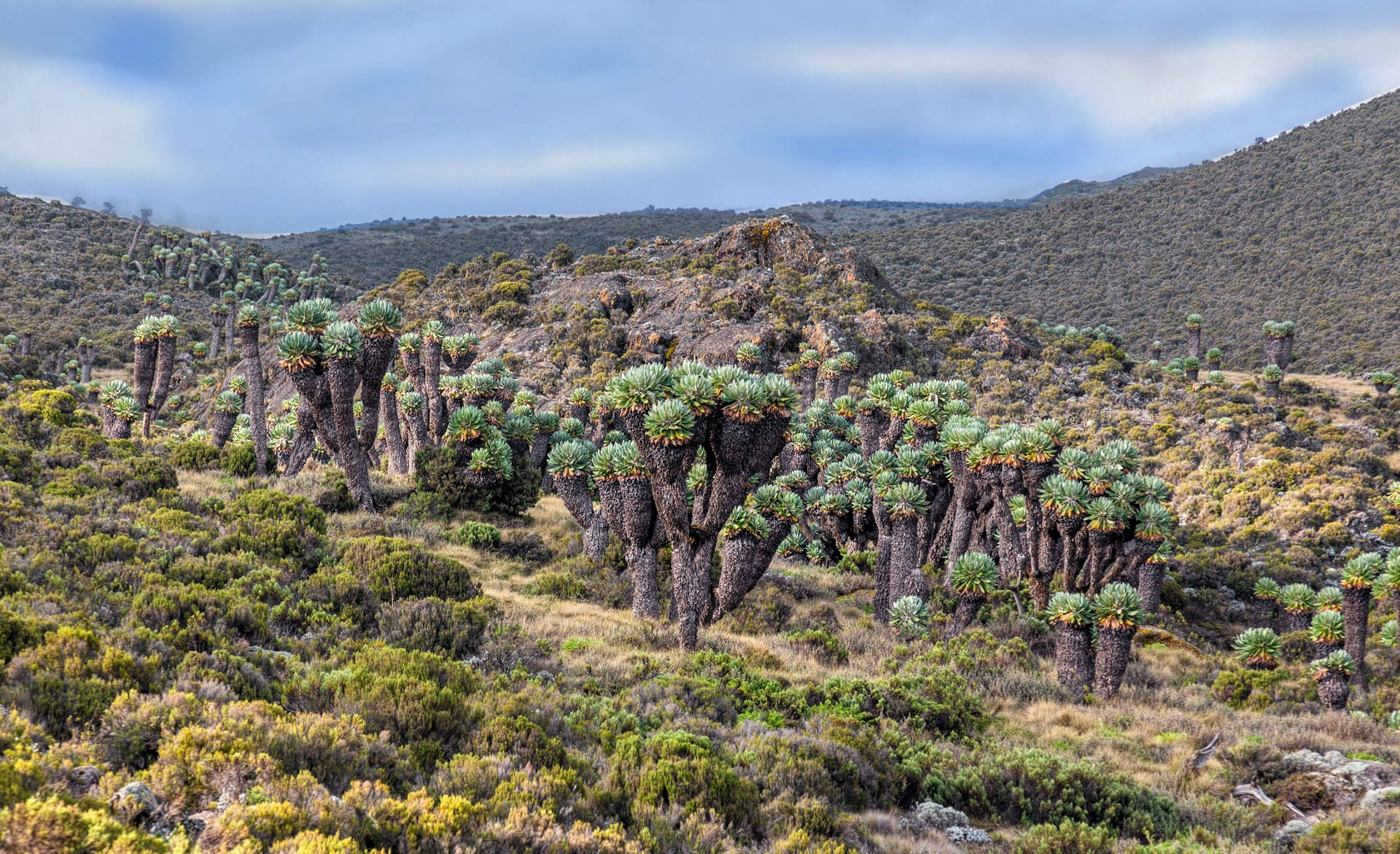
3. Heath and Moorland
Above the forest, the scenery opens into heath and moorland, where giant groundsels, lobelias and unusual high-altitude vegetation create an almost otherworldly landscape. The air becomes cooler, the vegetation less dense and the views increasingly expansive. On clear days, you may see the mountain rising above the clouds, while distant valleys and plains stretch towards the horizon.
Conditions can change quickly in this zone. Sunny mornings may give way to mist, wind or rain, and temperatures can fall noticeably once the sun disappears. Layers become particularly important here, allowing you to add or remove clothing as you walk. This is also where you begin to appreciate the importance of maintaining a steady pace and giving your body time to adjust to the increasing altitude.
4. Alpine Desert
The alpine desert is one of Kilimanjaro’s most dramatic environments. Vegetation becomes sparse, the ground is increasingly rocky and the landscape feels open and exposed. Rainfall is generally much lower than in the rainforest, but the lack of shelter makes wind and direct sunlight more noticeable.
Daytime conditions can feel surprisingly warm when the sun is strong, while mornings and nights can be very cold. This contrast makes the alpine desert particularly demanding for climbers who are not prepared for changing temperatures. Sun protection, warm layers and wind-resistant clothing are essential, even when the sky looks clear.
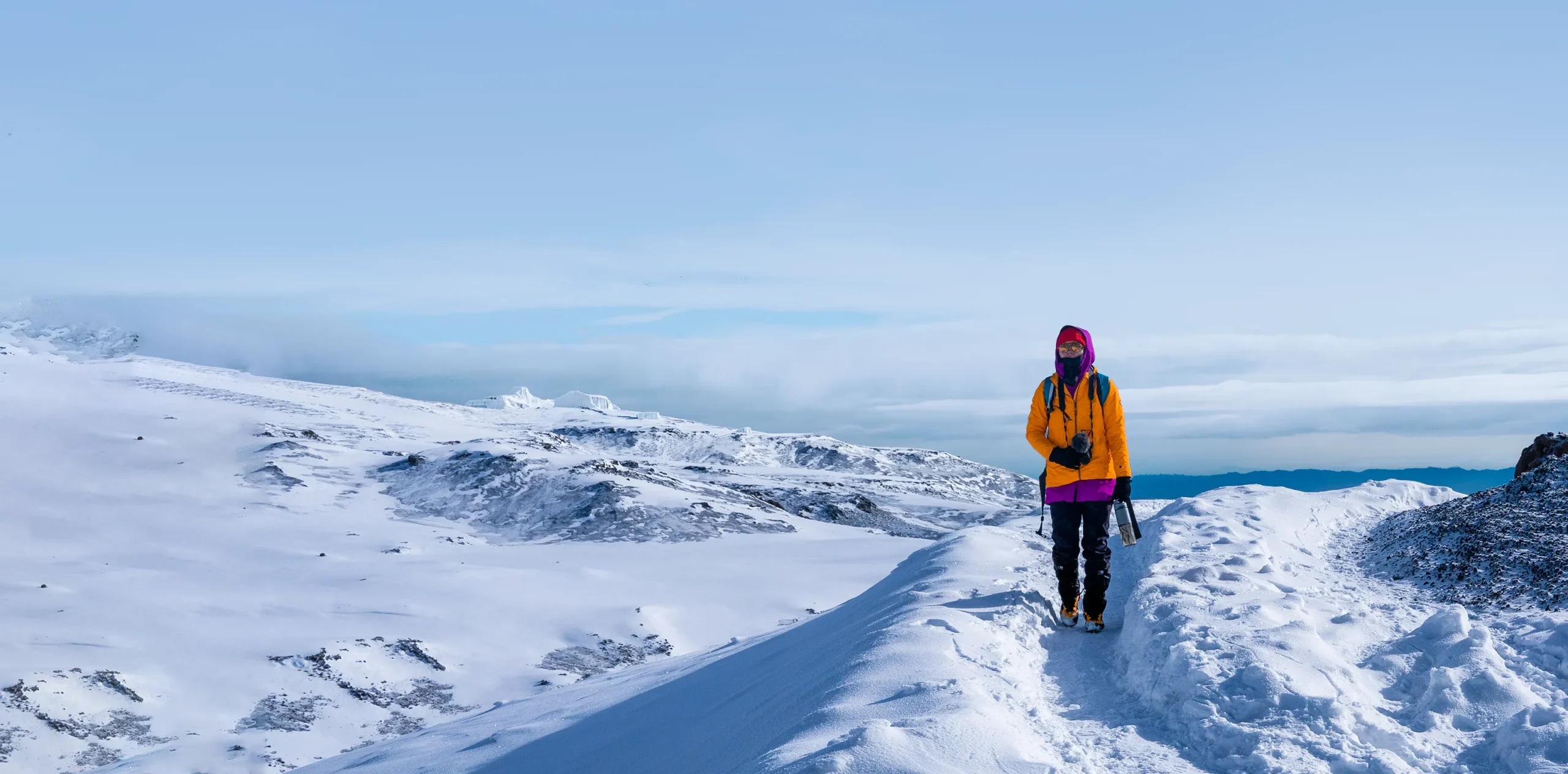
5. Arctic Summit Zone
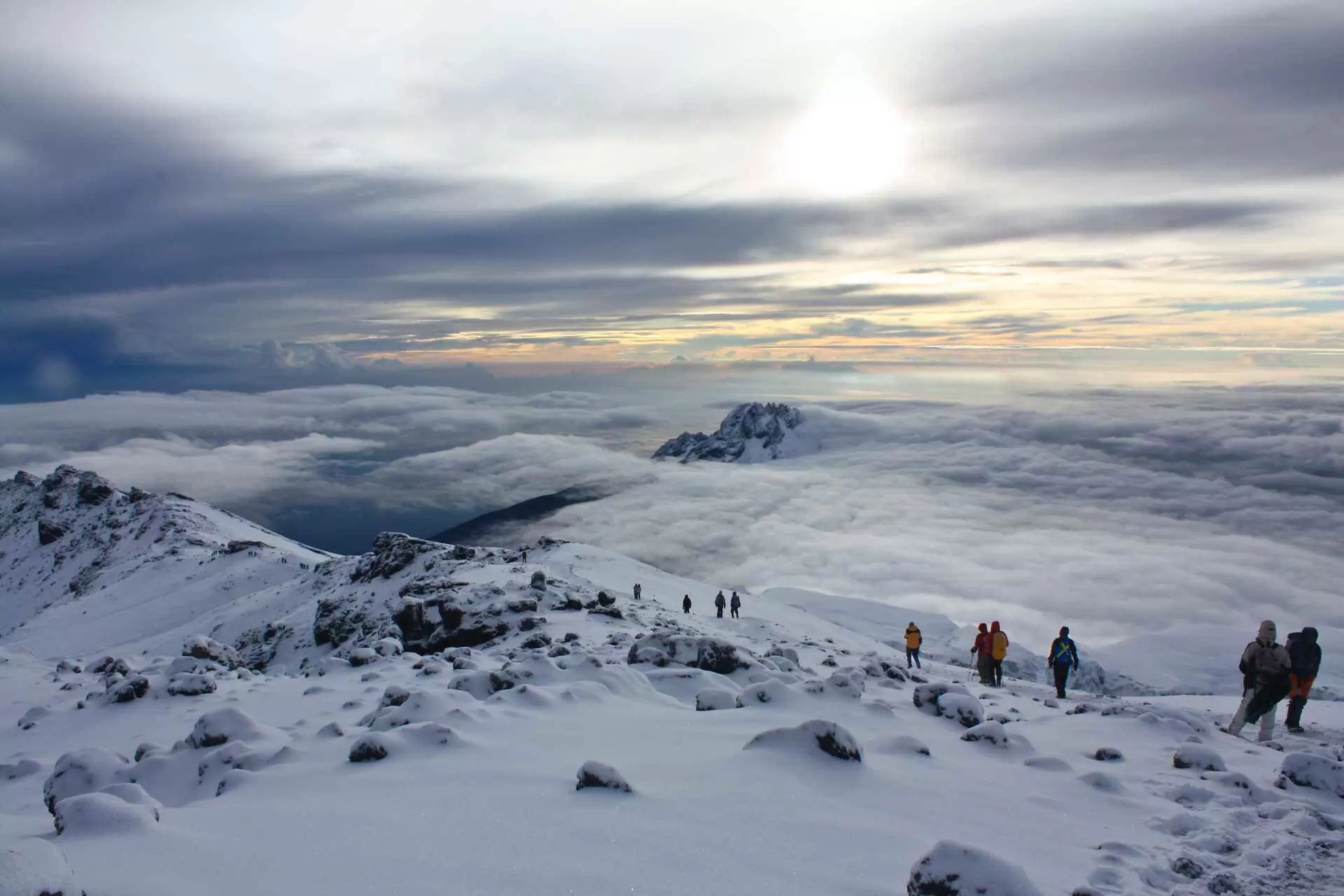
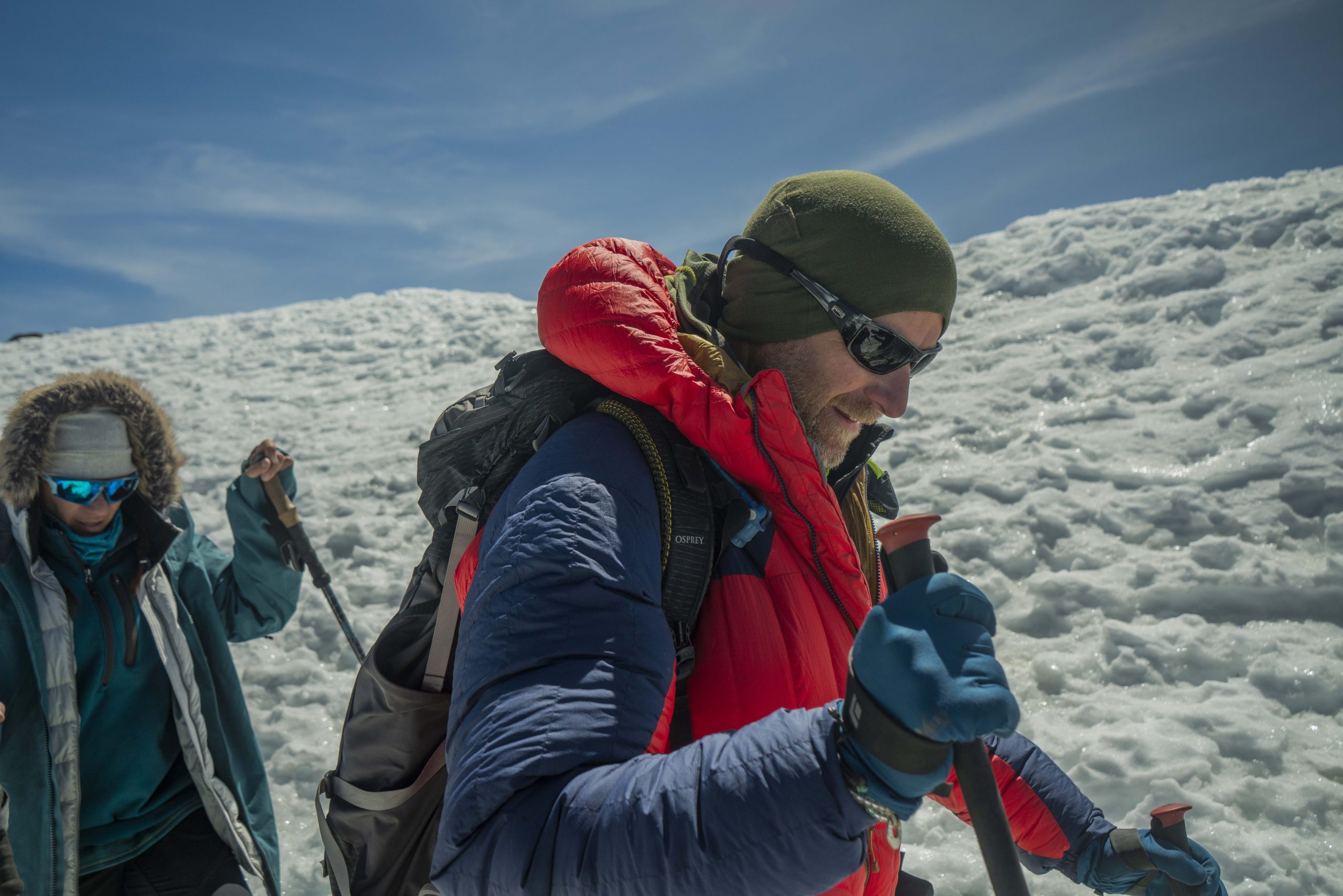
Near the summit, the mountain becomes a world of rock, ice, snow and freezing air. At elevations approaching Uhuru Peak, temperatures can fall below freezing, particularly during the night and early morning when most summit attempts take place. Wind can make the conditions feel even colder, and the physical effort of climbing at high altitude adds another challenge.
Summit night is often the coldest and most demanding part of the entire trek. A properly insulated jacket, warm base layers, thermal trousers, suitable gloves, a warm hat and a reliable headlamp are essential. Climbers should also protect exposed skin and follow their guide’s instructions if weather conditions deteriorate. Reaching the summit is an incredible achievement, but safety must always come before the desire to continue.
What Is the Best Time of Year to Climb Kilimanjaro?
Mount Kilimanjaro can be climbed throughout the year, but some months generally offer more favourable conditions than others. The mountain experiences two main dry periods and two rainy periods, although the exact timing and intensity of rainfall can vary from year to year.
January to March: A Popular Window for Climbing
The period from January through early March often offers good climbing conditions, with relatively dry weather and opportunities for clear mountain views. Temperatures may feel warmer at lower elevations, while the summit remains cold regardless of the season.
This period can be appealing to climbers who want to experience Kilimanjaro during a generally favourable weather window. However, clouds, rain and snow are still possible, and conditions can change without warning. Proper equipment remains essential even when the forecast looks promising.
April to May: The Long Rains
April and May usually bring the long rainy season to the region. The lower slopes and rainforest can receive substantial rainfall, and trails may become muddy, wet and slippery. Cloud cover can also reduce visibility, making it harder to enjoy the mountain’s distant views.
Some experienced climbers still choose to trek during this period, but they should be prepared for wetter conditions and greater uncertainty. If you prefer relatively dry trails and more predictable weather, another time of year may be a better choice. Anyone considering a climb during the long rains should discuss current conditions, route suitability and safety arrangements with a reputable operator.
June to October: The Main Dry Season
June through October is one of the most popular periods for climbing Kilimanjaro. Rainfall is generally lower, trails are often firmer and the mountain can offer beautiful views when the skies are clear. These conditions make the season attractive to travellers who want to combine trekking with time in Tanzania before or after their climb.
July and August can be particularly busy, so booking early is sensible if you have specific travel dates or a preferred route. Even during the dry season, however, the summit can be bitterly cold, and rain or strong winds can still occur. Dry weather at the base should never be taken as a guarantee of calm conditions higher up.
November to December: The Short Rains and Changing Conditions
November commonly brings the short rains, although their timing and intensity vary. Showers may be intermittent, and some days can still offer excellent visibility. December can also provide attractive climbing opportunities, particularly later in the month, but weather conditions remain variable.
This period may appeal to travellers seeking flexibility in their travel plans. The northern approach via the Rongai Route is sometimes considered by climbers looking for a route that is generally drier than the southern slopes, although no route is guaranteed to remain dry. A qualified operator can help you assess the most suitable option for your dates.
How Cold Does It Get on Mount Kilimanjaro?
One of the most common misconceptions about Kilimanjaro is that a mountain near the equator must remain warm. In reality, temperature decreases significantly with altitude, and the summit can be freezing even when the weather is warm in Moshi.
At the lower elevations, daytime conditions may feel warm, especially in direct sunshine. In the rainforest and moorland, temperatures become cooler, while nights at higher camps can be very cold. Near the summit, temperatures can fall well below 0°C, and wind chill may make the conditions feel considerably harsher.
The exact temperature depends on the season, altitude, wind and weather at the time of your climb. Rather than packing for a single expected temperature, prepare for a wide range of conditions. Layering is the most practical approach: wear breathable clothing next to your skin, add insulating layers when temperatures drop and use a waterproof, wind-resistant outer layer when needed.

What Should You Pack for Kilimanjaro Weather?
The right clothing and equipment can make a major difference to your comfort on the mountain. Your packing list should account for warm walking conditions, rain in the forest, strong sunlight on exposed trails and freezing temperatures near the summit.
Essential items include:
- Waterproof jacket and trousers: Protect you from rain and help keep you dry in wet conditions.
- Thermal base layers: Help retain body heat during cold mornings and summit night.
- Insulated jacket: Provides essential warmth at higher camps and near the summit.
- Warm gloves and a hat: Protect your hands and head from cold temperatures and wind.
- Comfortable hiking trousers and moisture-wicking clothing: Help you manage changing conditions during the day.
- Proper hiking boots and warm socks: Provide support and protection on rocky, muddy and uneven trails.
- Sun protection: Sunglasses, sunscreen and a suitable hat are important because sunlight can be intense at high altitude.
- A headlamp: Essential for the early-morning summit attempt, when climbers usually begin walking in darkness.
- A suitable sleeping bag: Choose one rated for the expected mountain temperatures and confirm whether your operator provides rental equipment.
- A waterproof cover or dry bags: Help protect spare clothing and essential items inside your daypack.
Avoid relying on a single heavy jacket for the entire climb. Several suitable layers offer greater flexibility and help you adjust to changes in temperature as you move between climate zones.
How Does Weather Affect Your Summit Attempt?
Weather is an important part of the summit experience. A clear sky can reveal extraordinary views across the mountain and surrounding landscapes, while clouds, wind, snowfall or freezing temperatures can make the final ascent much more demanding. Conditions may change during the climb, and the weather at your camp may be very different from what you encounter closer to the summit.
Summit attempts generally begin during the night or very early in the morning. Climbers face darkness, cold temperatures, physical fatigue and high altitude, often at the same time. Suitable clothing and equipment are vital, but they are only part of the preparation. Moving at a controlled pace, following your guide and recognising when conditions or symptoms make continuing unsafe are equally important.
No particular month can guarantee a summit. A responsible mountain team will assess the conditions, monitor the group and make decisions based on safety rather than pressure to reach the top. The true success of a Kilimanjaro climb is not only about reaching Uhuru Peak; it is about undertaking the journey responsibly and returning safely.
Can You Climb Kilimanjaro During the Rainy Season?
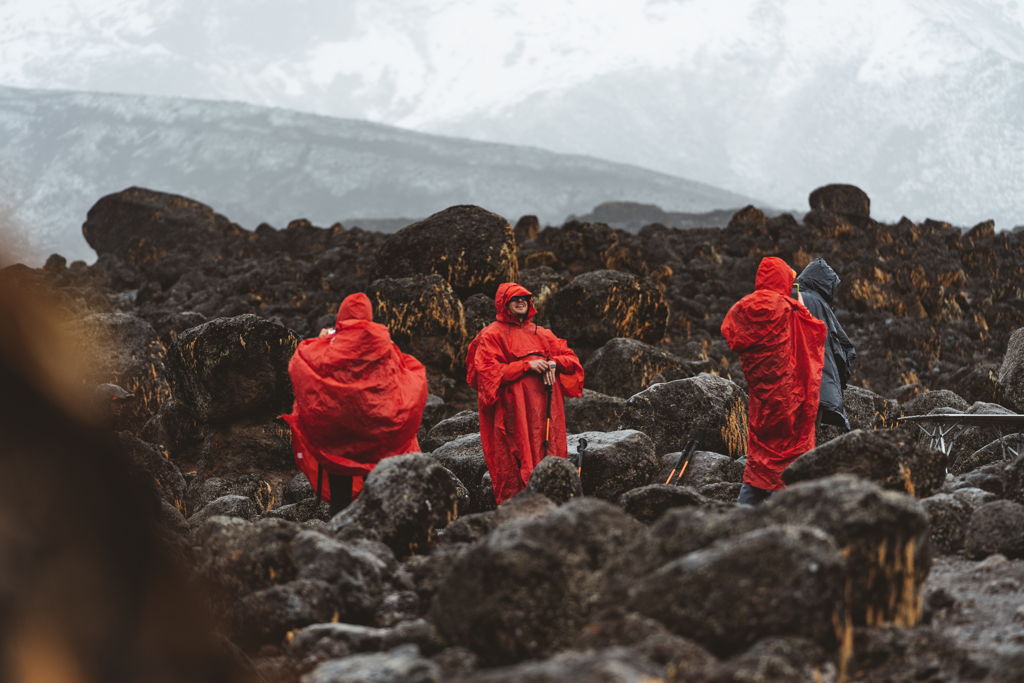
Yes, climbing is possible during wetter periods, but it requires careful planning and realistic expectations. Rain can make trails slippery, soak clothing and equipment, reduce visibility and increase discomfort during long days of trekking. The mountain may also feel quieter, but fewer climbers do not necessarily mean easier conditions.
If you are considering a rainy-season climb, speak with your operator about current weather patterns, route options, waterproof equipment and contingency plans. You should be comfortable with the possibility of wet days and changes to your itinerary. For travellers who prefer drier trails and more predictable conditions, the main dry-season windows are generally the better starting point.
Whatever month you choose, remember that Kilimanjaro has its own weather, and no forecast can promise identical conditions from one day to the next. Preparation and flexibility are essential.
Experience the Many Faces of Kilimanjaro With Back to Eden Adventure
The weather on Mount Kilimanjaro is part of what makes the mountain so extraordinary. One day, you may be walking through a cool, mist-covered forest; another, you may be crossing an open landscape beneath a brilliant blue sky. By the time you approach the summit, the world has transformed into a cold, quiet environment where every step carries you closer to one of Africa’s greatest adventures.
At Back to Eden Adventure, we believe a successful climb begins with thoughtful preparation, the right route and a clear understanding of what awaits you on the mountain. From choosing the best time to travel to preparing for changing temperatures and summit conditions, planning carefully can help you approach your adventure with greater confidence.
Whether you are considering the scenic Lemosho Route, the popular Machame Route, the hut-based Marangu Route or another Kilimanjaro trail, we can help you explore your options and plan an experience suited to your goals.
Ready to climb the Roof of Africa? Contact Back to Eden Adventure and start planning your Mount Kilimanjaro journey. The mountain is waiting, and every step brings you closer to an experience you will remember for a lifetime.