Climbing Mount Kilimanjaro is an adventure that challenges your body, strengthens your determination and rewards you with some of the most extraordinary landscapes in Africa. From the lush rainforest to the rugged alpine desert and the freezing summit of Uhuru Peak, every stage of the journey demands energy, patience and preparation. While choosing the right route and preparing your hiking equipment are essential, there is another important part of a successful climb that deserves just as much attention: food and drinks.
Eating well on Kilimanjaro helps you maintain energy during long hiking days, recover after each stage and prepare your body for the physical demands of the mountain. At high altitude, your appetite may change, and drinking enough water can become more challenging than you expect. Knowing what to eat, what to drink and how to manage your nutrition can make your trekking experience more comfortable and enjoyable. Whether this is your first mountain adventure or another challenge on your travel list, understanding mountain nutrition is an important step towards preparing for the Roof of Africa.
Why Is Food Important When Climbing Kilimanjaro?
A Kilimanjaro climb involves several consecutive days of walking, often for hours at a time, over uneven terrain and at increasing altitude. Your body uses energy to keep you moving, regulate your temperature and recover from the effort of each day. Without enough food, you may feel unusually tired, struggle to maintain your pace or find it harder to recover before the next stage of the trek.
Food also plays a role in maintaining your strength throughout the climb. Carbohydrates provide an important source of energy, protein supports muscle repair, and fats contribute additional energy. A balanced diet that includes these nutrients, together with sufficient fluids, can help you cope with the demands of trekking.
However, Kilimanjaro is not the place to experiment with strict dieting or deliberately eat as little as possible. Even if you are accustomed to controlling your food intake, your priorities during the climb should be adequate energy, hydration and recovery. Your goal is to give your body the support it needs to complete the journey as safely and comfortably as possible.
What Food Do You Eat on Mount Kilimanjaro?
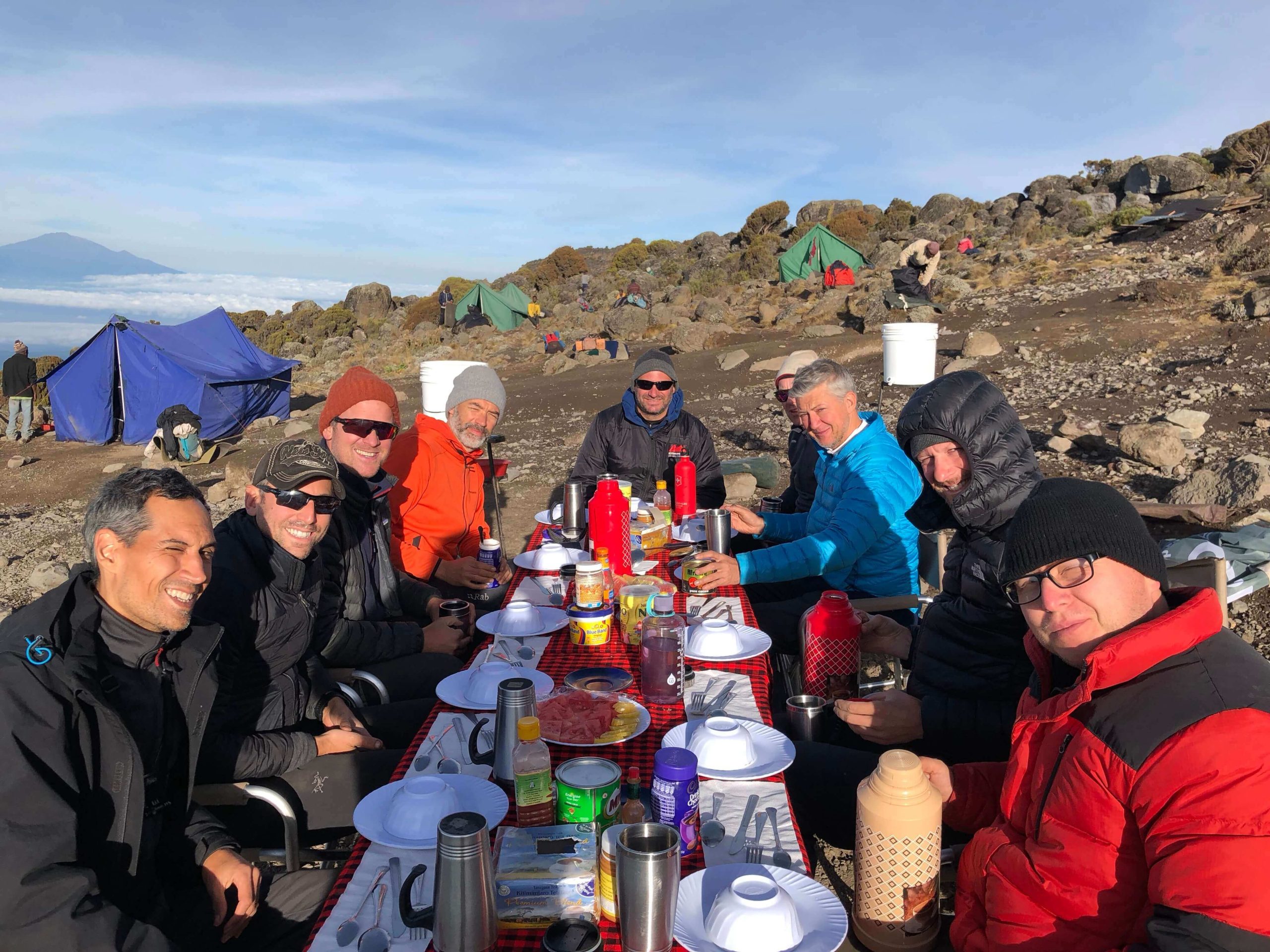
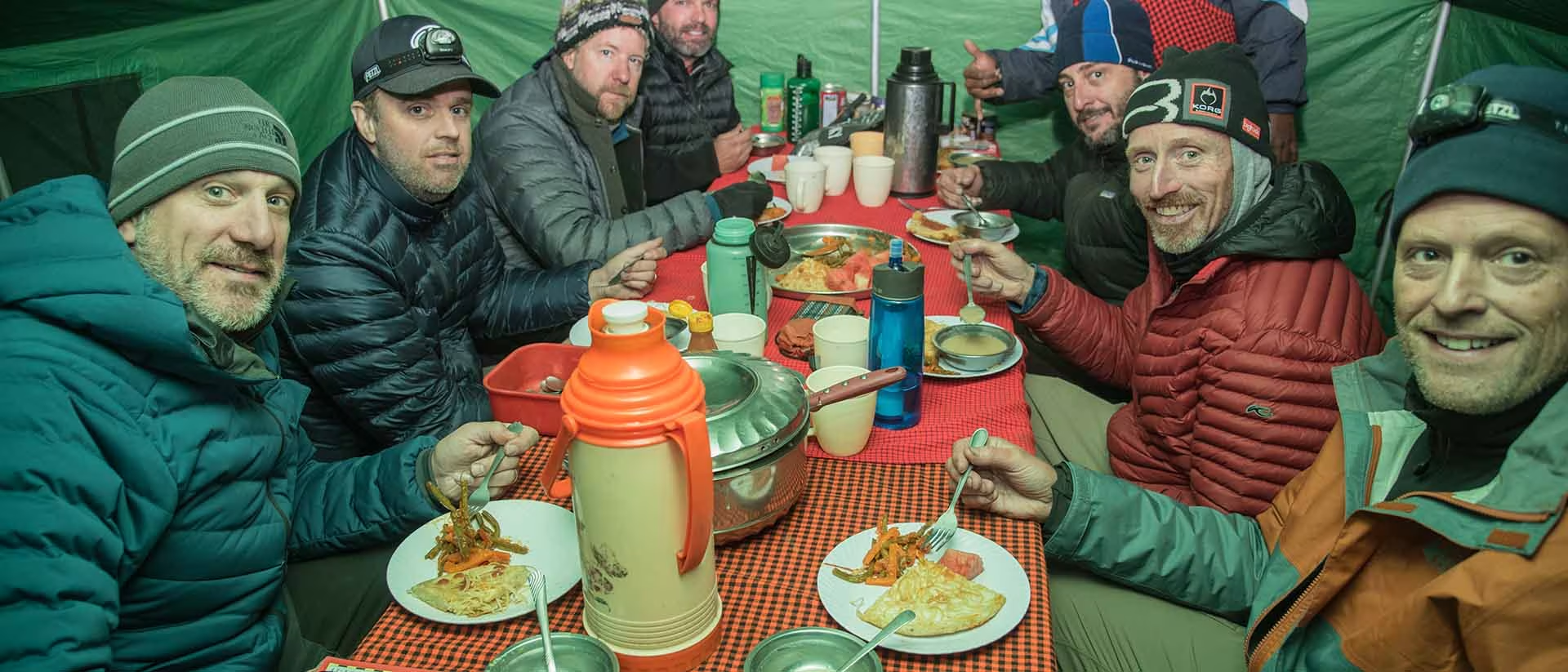
On an organised Kilimanjaro climb, meals are generally prepared by the expedition’s cook and support crew. You do not usually need to carry all your main meals yourself. Your operator arranges food supplies, cooking equipment and meal preparation at the designated camps, allowing you to focus on trekking.
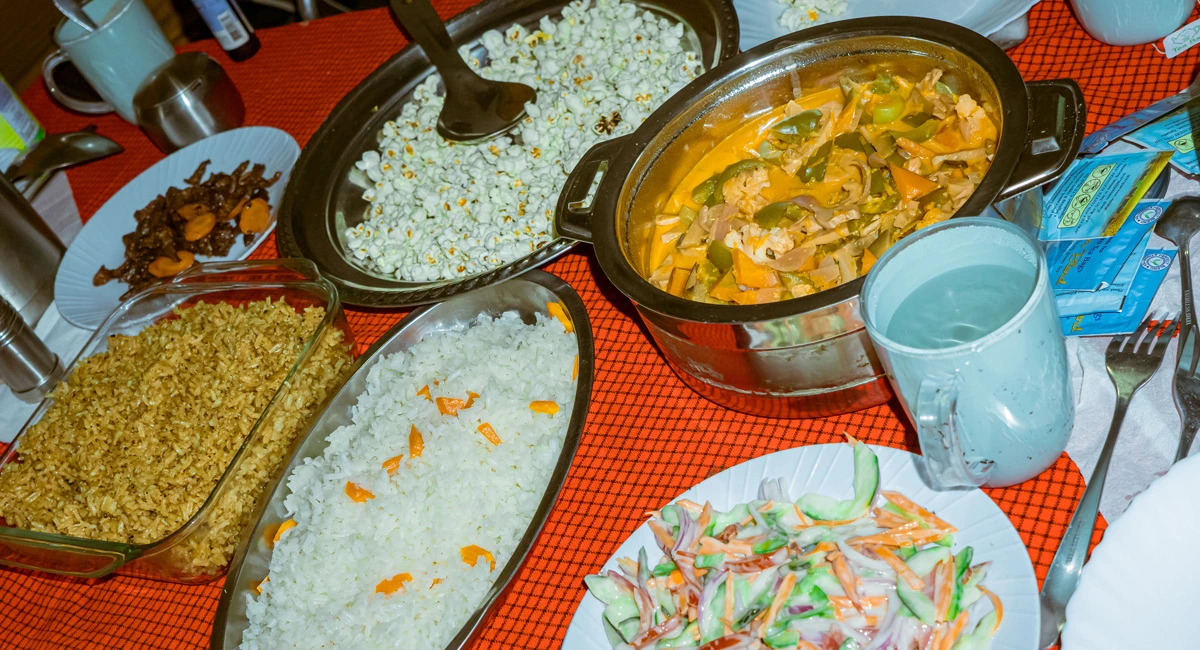
Menus vary between operators, routes and dietary requirements, but many climbing meals include familiar, filling foods such as porridge, eggs, bread, potatoes, rice, pasta, vegetables, fruit, soup and meat. These foods provide a combination of carbohydrates, protein and other nutrients that help support the physical demands of the mountain.
Meals are often designed to be practical, warm and satisfying. After a long day of walking in cool conditions, sitting down to a hot meal can become one of the most welcome moments of the day. Your appetite may change as you climb higher, so eating regularly and choosing foods you can comfortably tolerate are important parts of your preparation.
What to Eat for Breakfast on Kilimanjaro
Breakfast provides energy for the day ahead, particularly when your morning begins in cold conditions and you have several hours of trekking ahead. A typical mountain breakfast may include porridge, eggs, bread, fruit, tea or coffee, depending on the operator’s menu.
Porridge is a useful option because it provides carbohydrates and can be served warm, making it appealing on chilly mornings. Eggs provide protein, while bread offers additional energy. Fruit can contribute vitamins, minerals and fluids as part of a balanced meal.
Try to eat enough to feel comfortably fuelled before starting your hike. If you usually skip breakfast at home, consider practising with a small morning meal before your trip so you know what works for you. You do not need to force yourself to eat a huge portion, but beginning a long trekking day without any food may leave you feeling low on energy.
On summit day, your schedule may be different because the ascent often begins during the night. Your guide and cook will explain the meal arrangements for that stage, and easily tolerated snacks can be particularly helpful during the climb.
What to Eat for Lunch During the Trek
Lunch gives you an opportunity to replenish some of the energy used during the morning. Depending on the route and itinerary, you may enjoy a prepared meal at a camp or receive a packed lunch to eat along the trail.
A typical lunch might include sandwiches, boiled eggs, potatoes, rice, vegetables, fruit or another filling option prepared by your mountain crew. The exact menu depends on the operator, but the general aim is to provide enough energy to help you continue trekking without feeling excessively hungry or uncomfortable.
Try not to wait until you are exhausted before eating. If your appetite is smaller at altitude, modest portions may feel easier than one large meal. Eating a little at regular intervals can also help you maintain energy during long days, especially when combined with appropriate snacks and fluids.
What to Eat for Dinner After a Long Day
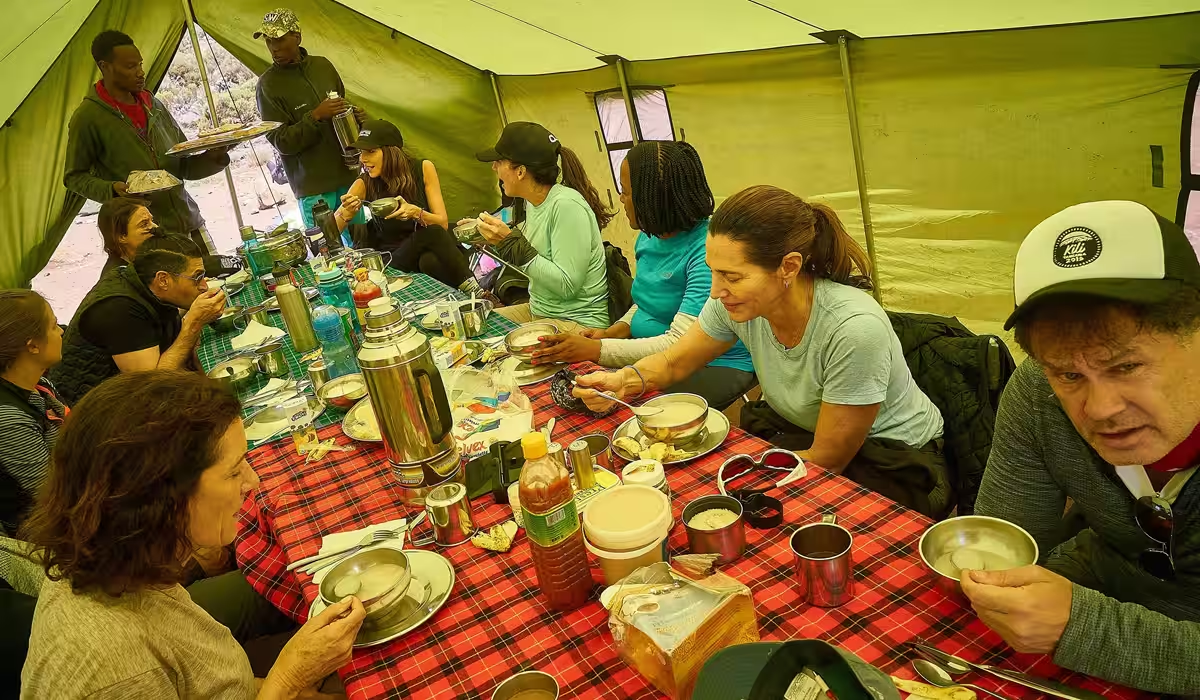
Dinner is an important opportunity to refuel and prepare for the following day’s trek. After several hours of walking, your body needs food to replace energy and support recovery. A warm meal can also help you feel more comfortable as temperatures fall in the evening.
Mountain dinners often include soup, rice, pasta, potatoes, vegetables and a protein source such as chicken, beef, beans or lentils, depending on the menu. Soup can be particularly appealing in cold conditions because it provides warmth and contributes to your fluid intake. Rice and potatoes provide carbohydrates, while meat, eggs or legumes can help meet your protein needs.
You do not need to eat a perfect meal every evening. The important thing is to eat enough, choose foods you tolerate well and avoid going to bed feeling excessively hungry. If you have a small appetite after a demanding day, speak with your guide or cook about manageable portions and suitable alternatives.
The Best Snacks to Carry on Kilimanjaro
Although your main meals are generally arranged by your operator, carrying a selection of personal snacks can be useful. Snacks allow you to take in energy between meals, particularly when you are walking for long periods or your appetite changes at altitude.
Useful options include:
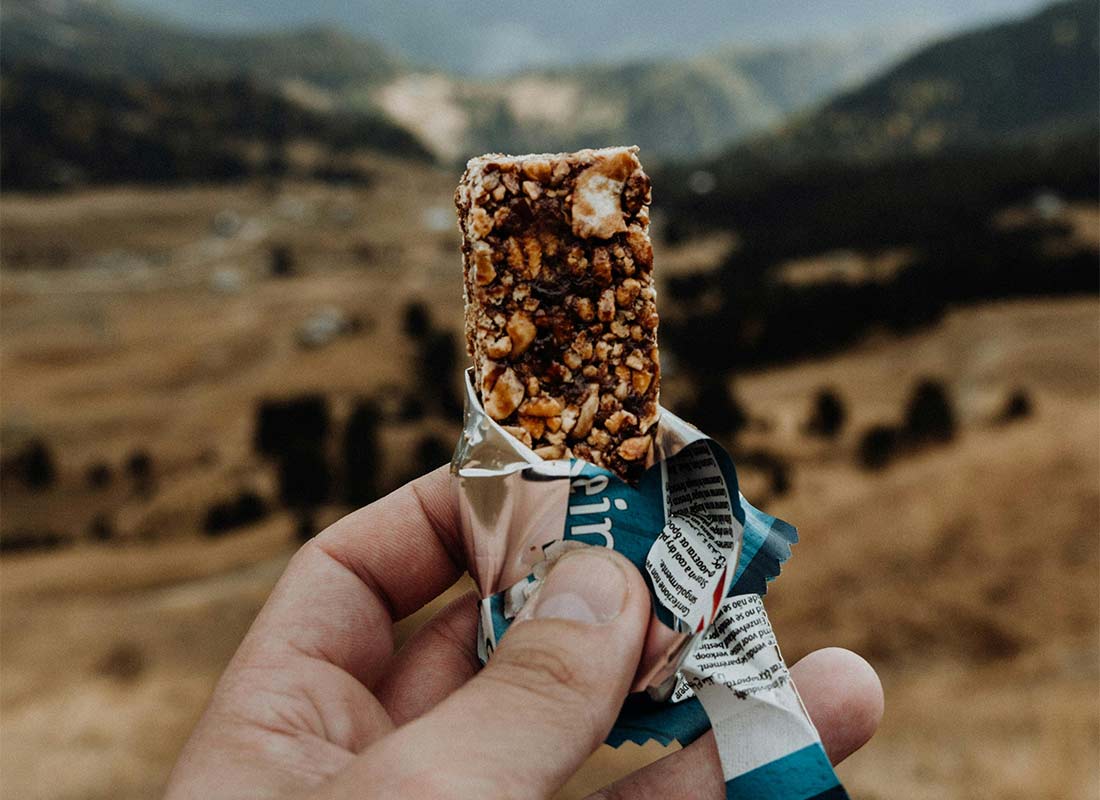
- Energy bars: Convenient to carry and easy to eat during short breaks.
- Nuts and trail mix: Provide energy in a compact form, although they may be less appealing if you experience nausea.
- Dried fruit: Offers carbohydrates and is easy to pack.
- Chocolate: Can provide quick energy and may be a welcome treat during a tiring day.
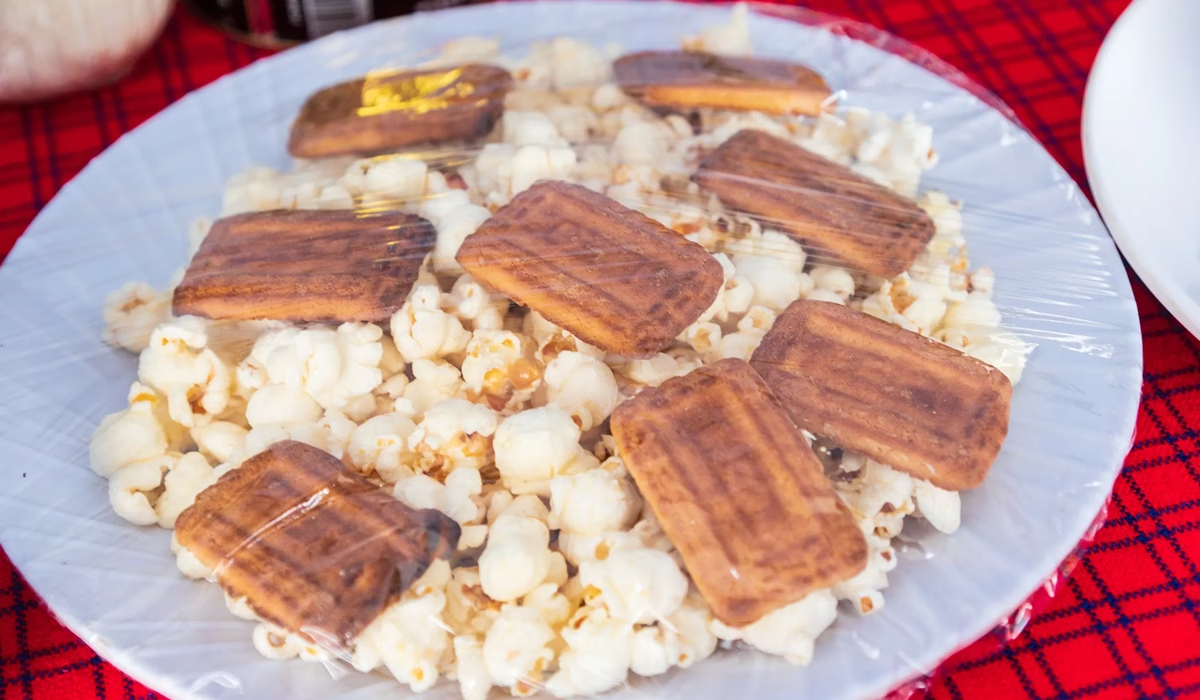
- Biscuits or crackers: Simple options that some climbers find easier to tolerate when their appetite is low.
- Chews or other familiar sports snacks: May be useful during longer or more demanding stages if you have tested them before the climb.
Choose snacks you already enjoy rather than filling your bag with unfamiliar products. Some foods become less appealing when you are tired or experiencing altitude-related symptoms, so having a few different options can be helpful.
Keep your snacks protected from rain and store wrappers securely until you can dispose of them properly. Kilimanjaro is a protected natural environment, and everything you carry onto the mountain should be managed responsibly.
What Should You Drink on Mount Kilimanjaro?
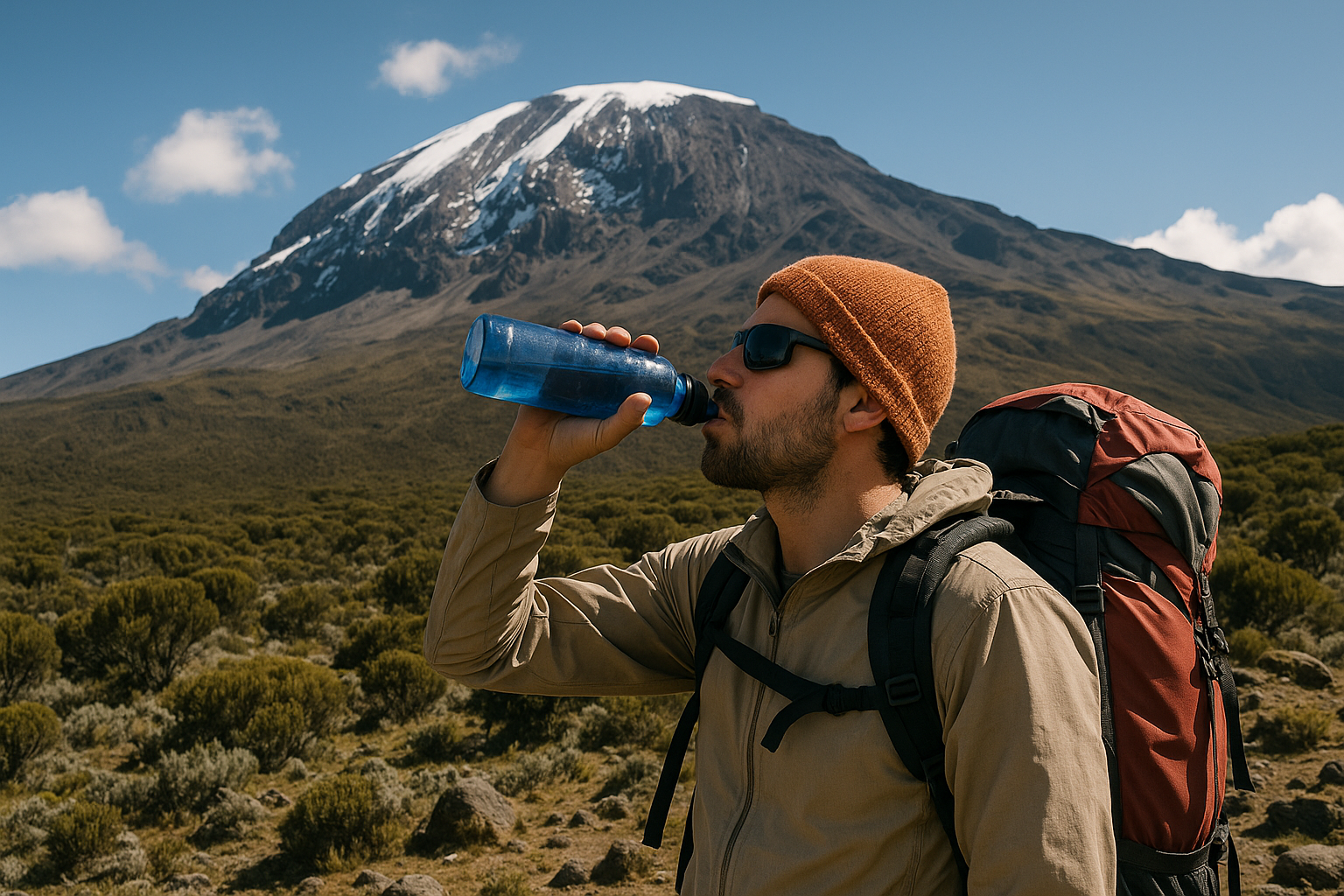
Hydration is one of the most important parts of mountain preparation. Trekking increases your fluid needs through physical effort and breathing, while cold weather can make you less aware of thirst. At altitude, breathing may become faster, and dry air can contribute to fluid loss. These factors make it important to drink regularly throughout the day.
Water should be your main drink during the climb. Carry a suitable hydration system or water bottles and follow your guide’s advice on how much to carry for each stage. The amount you need depends on your body, activity level, weather and route conditions, so there is no single volume that is right for every climber. Drink regularly and pay attention to your body’s needs rather than waiting until you feel very thirsty.
Your operator should explain how drinking water is sourced, treated and provided during the trek. Natural water on the mountain should not be assumed safe to drink without appropriate treatment. Confirm whether your package includes drinking water and whether you need to bring a reusable bottle, hydration bladder or other equipment.
Warm drinks such as tea, ginger tea or hot water may be welcome at camp, especially in the morning and evening. They can make it easier to drink in cold weather, although they should complement rather than replace your regular water intake.
Is Coffee or Tea Good During the Climb?
Many climbers enjoy tea or coffee with breakfast, and a warm drink can be comforting when the mountain is cold. If you normally drink coffee or tea, moderate amounts may fit comfortably into your routine. However, relying on caffeine to overcome exhaustion is not a substitute for food, rest or appropriate pacing.
If coffee makes you feel anxious, gives you a racing heartbeat or upsets your stomach, reduce it or avoid it during the climb. This is especially important when you are already dealing with the physical demands of altitude. Herbal teas and warm water are alternatives if you prefer to avoid caffeine.
Alcohol is best avoided during the climb. It can impair judgement, disrupt sleep and make it harder to manage hydration and recovery. Your priority on Kilimanjaro should be staying alert, well rested and prepared for each day’s challenges.
Does Your Appetite Change at High Altitude?
Yes. Some climbers notice that their appetite decreases as they gain altitude. Others experience nausea, headaches, fatigue or changes in their usual eating habits. The combination of physical exertion, unfamiliar routines, cold conditions and altitude can make meals less appealing, even when your body still needs energy.
If you find it difficult to eat a full meal, try smaller portions and familiar foods that are easier for you to tolerate. Simple snacks may be more manageable than a large plate of food. Warm soup, porridge, crackers, fruit or a small serving of rice may appeal when heavier meals do not.
However, do not dismiss persistent nausea, vomiting, worsening headache, dizziness or unusual weakness as simply a lack of appetite. These can be signs of altitude illness, particularly when accompanied by other symptoms. Tell your guide promptly if you feel unwell. Severe or worsening symptoms require urgent assessment, and descent may be necessary. Food and water cannot treat altitude illness.
Should You Bring Your Own Food to Kilimanjaro?
Your main meals should generally be arranged through your climbing operator, but bringing a few personal snacks is a sensible idea. This is particularly useful if you have favourite energy bars, specific dietary needs or foods that you know you can tolerate when tired.
If you are vegetarian, vegan, gluten-free or have food allergies, inform your operator well before departure. Ask them to confirm which meals they can provide and whether there are any limitations on the route. Do not assume every dietary request can be accommodated without advance planning.
You should also ask whether the operator supplies snacks, hot drinks and drinking water or whether these are your responsibility. Understanding the arrangements helps you avoid carrying unnecessary weight while ensuring you have the food and equipment you need.
How to Prepare Your Body Before the Climb
Good nutrition begins before you reach the mountain. In the weeks leading up to your trek, focus on eating balanced meals, drinking regularly and practising the eating routine you expect to follow while hiking. You do not need an expensive supplement plan or a special mountain diet. Familiar, nutritious foods are usually a sensible foundation.
Include carbohydrates such as rice, potatoes, oats, bread or pasta to support training and trekking energy. Eat adequate protein from foods such as eggs, fish, chicken, meat, beans or lentils to support muscle recovery. Fruit, vegetables and healthy sources of fat can help round out your diet.
If possible, practise eating breakfast before longer training walks and carry the types of snacks you plan to take on Kilimanjaro. This helps you learn what you enjoy and what sits comfortably in your stomach while moving. Avoid making sudden, extreme changes to your diet just before departure.
Remember that physical preparation, acclimatisation, suitable clothing and experienced guides are all important. No food or drink can prevent altitude sickness, and being physically fit does not make you immune to altitude-related illness.
What About Water and Food Safety?
Food and water safety should never be overlooked on a mountain expedition. Your operator should have a clear system for obtaining, treating, storing and preparing food and drinking water. Meals should be handled hygienically, and drinking water should be treated appropriately before consumption.
Bring a reusable water bottle or hydration system suited to your needs, and check that it will work in cold conditions. Some hydration tubes can freeze at higher elevations, so ask your operator how best to protect your water supply during summit night. Insulated bottles or suitable storage methods may help keep water accessible.
Wash or sanitise your hands before eating, especially when you are outdoors and facilities are limited. If you have a sensitive stomach, be cautious with unfamiliar snacks and products. Tell your operator about any serious allergies or medical dietary requirements in advance so they can discuss practical arrangements with you.

Eat Well, Drink Regularly and Enjoy the Journey
Food and drinks may not be the first things that come to mind when you imagine standing on the summit of Mount Kilimanjaro, but they are an important part of the experience. A warm breakfast before setting out, a simple snack during a demanding ascent and a hot dinner after a long day can make the journey feel more manageable. Small, consistent habits can help you stay fuelled, comfortable and ready for the next stage.
Every climber has different needs, and the mountain may affect your appetite in unexpected ways. Listen to your body, drink regularly, eat what you can tolerate and speak up if you begin to feel unwell. Your guides are there to support the climb, and their advice is especially important when altitude or weather makes conditions more challenging.
Plan Your Kilimanjaro Climb With Back to Eden Adventure
At Back to Eden Adventure, we believe a successful Kilimanjaro experience begins with careful planning and support at every stage of the journey. From selecting the right route and preparing your equipment to understanding meals, drinking water and life at mountain camps, knowing what to expect helps you approach the adventure with greater confidence.
Whether you are considering the scenic Lemosho Route, the popular Machame Route, the hut-based Marangu Route or another trail, we can help you understand the practical details of your climb and prepare for the experience ahead.
Ready to begin your journey to the Roof of Africa? Contact Back to Eden Adventure to plan your Mount Kilimanjaro climb. Let us help you prepare for the mountain, one step and one day at a time, as you work towards an achievement you will remember for a lifetime.